Jason Lock

Wood Turning

About

Jason Lock is a sculptural wood artist based in Colchester, Essex. Trained in carpentry, he completed his City & Guilds apprenticeship before spending a decade working in the building trade. Following a serious accident that left him using a wheelchair, Jason adapted his skills to work at the lathe, teaching himself to turn wood while seated.

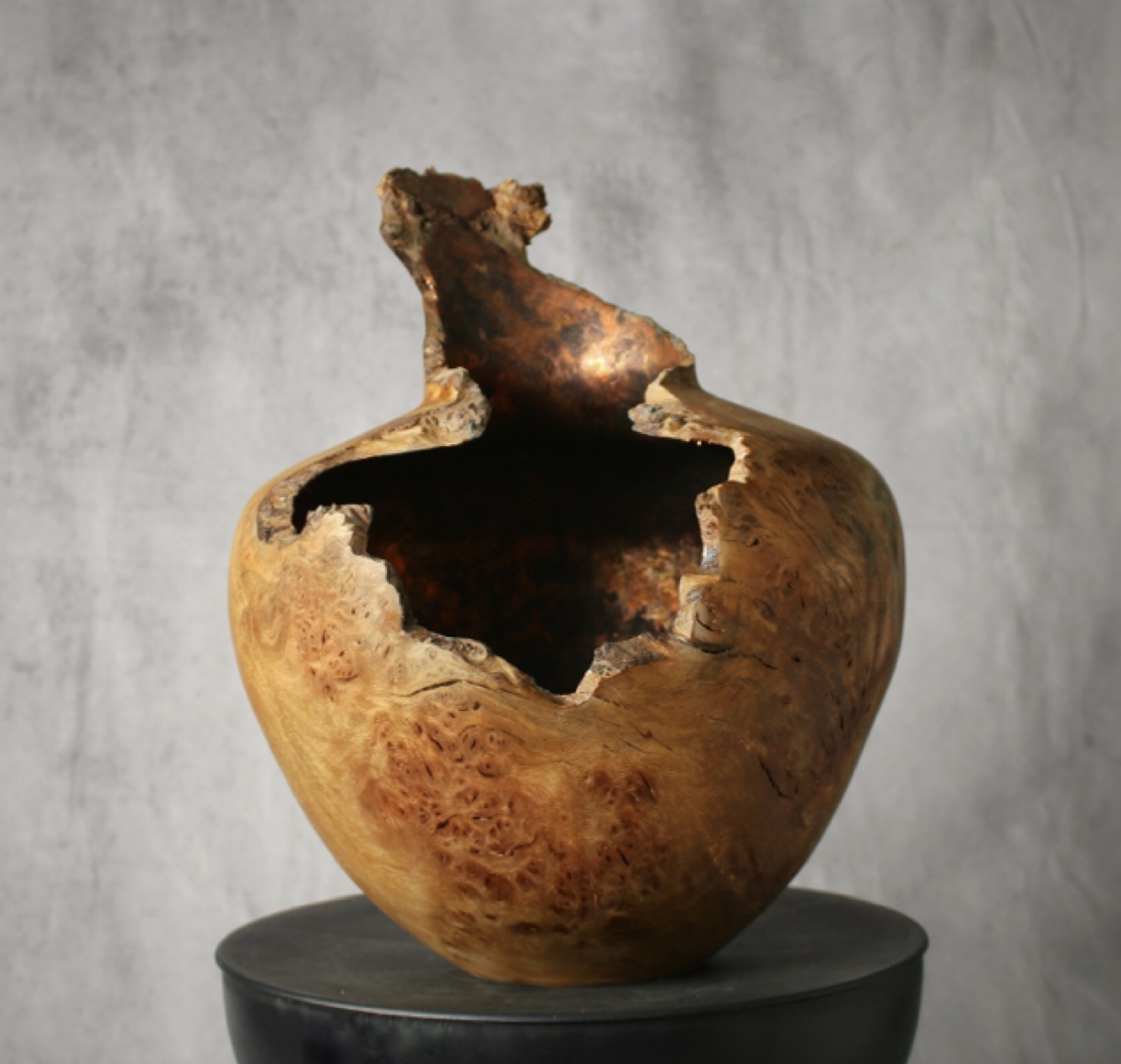
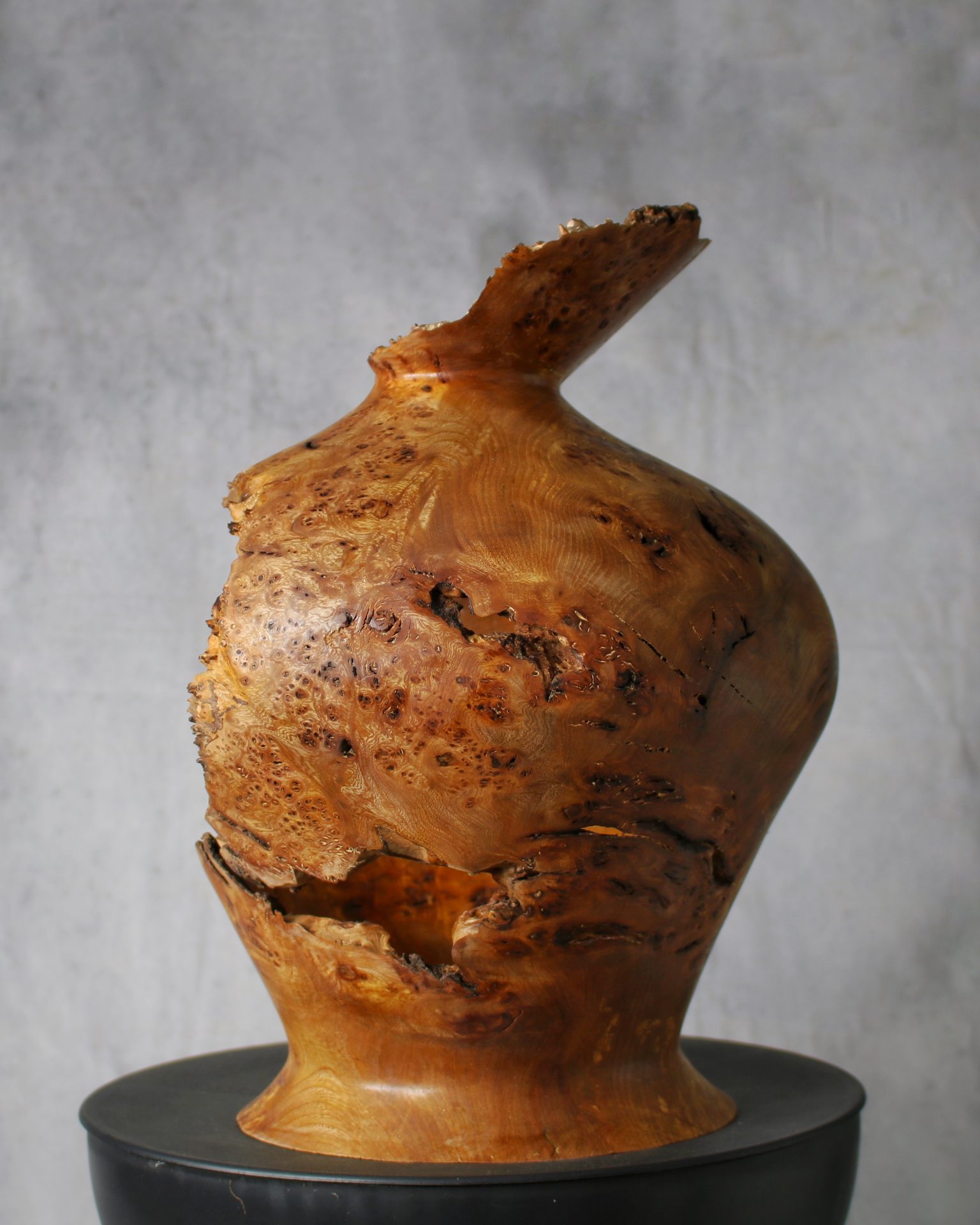
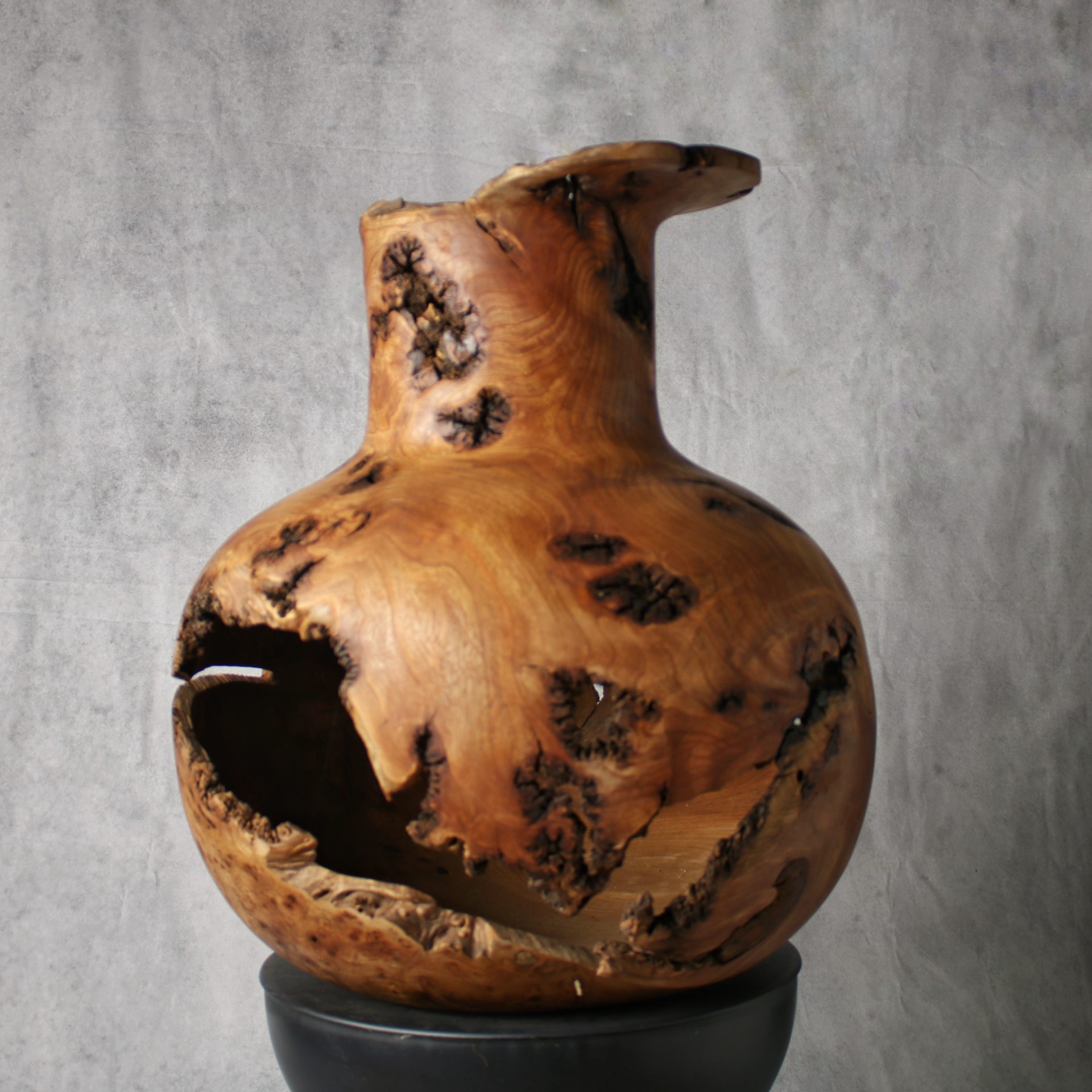
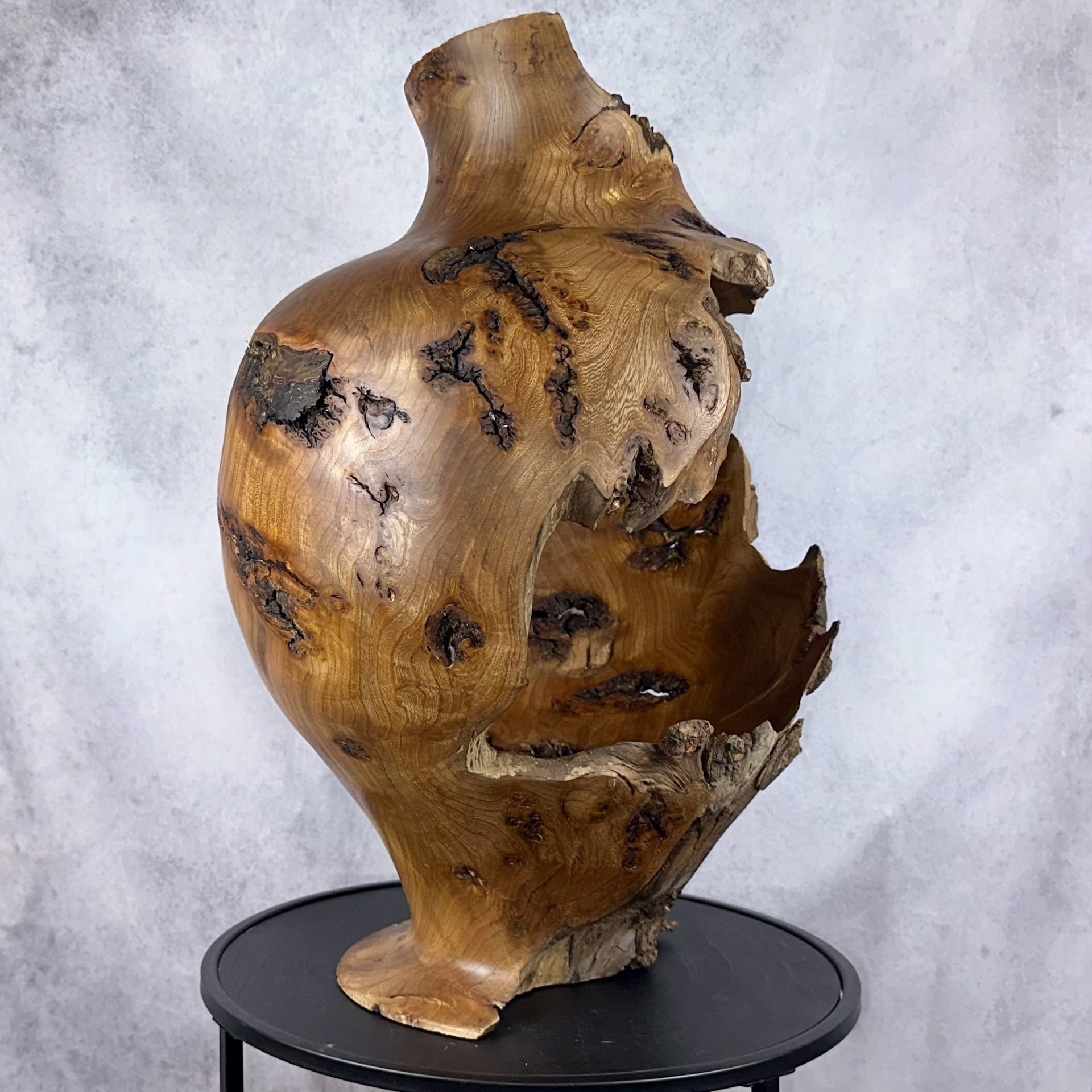
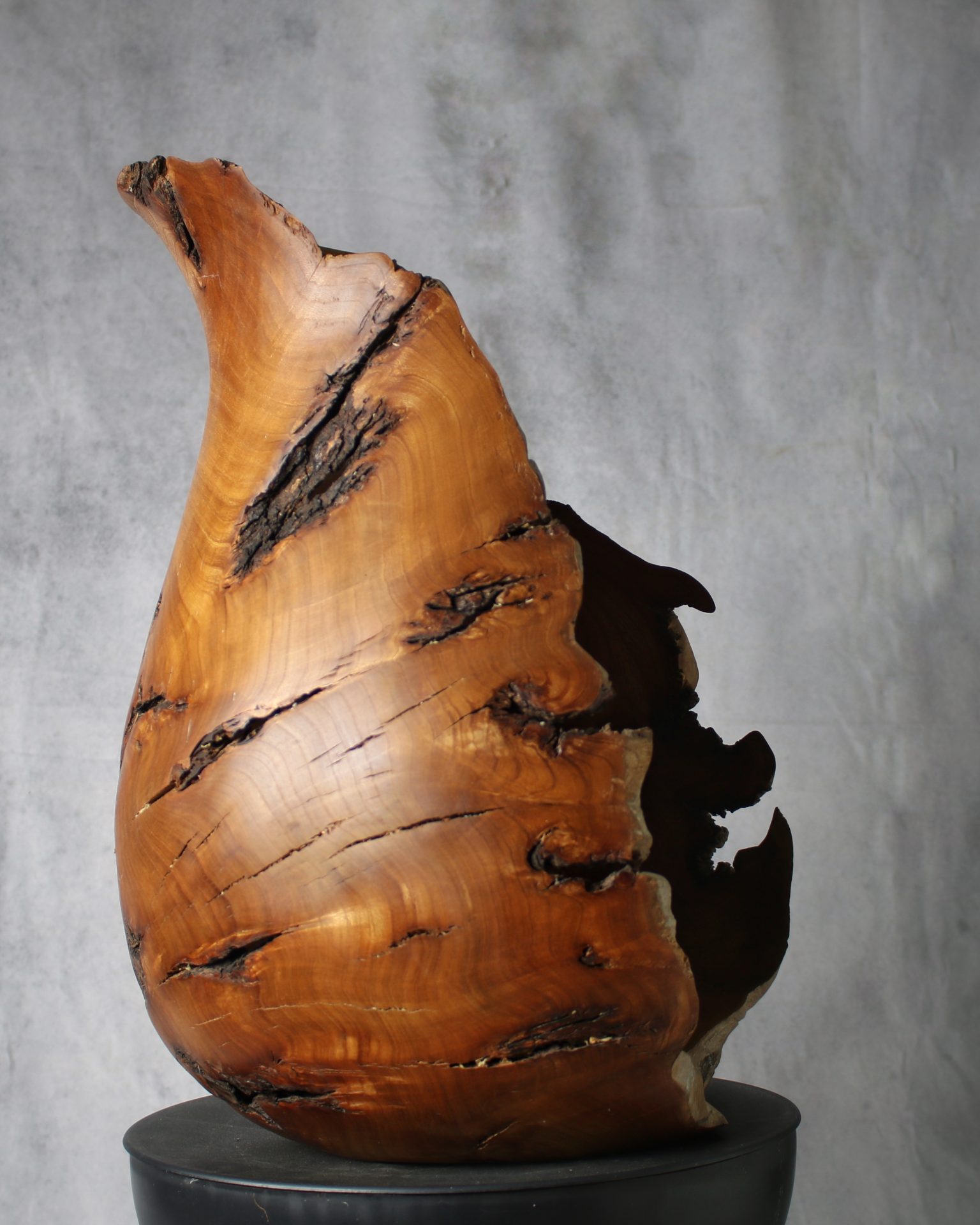
His practice has since evolved beyond traditional woodturning into monumental sculptural hollow forms, made from exceptional burrs and figured timbers. Responding to the natural character of each piece, he preserves voids, bark and organic features, balancing carefully developed forms with the irregular beauty of the material.

Influenced by ancient architecture, historical ceramics and the ingenuity of traditional craftsmanship, Jason explores the relationship between natural material, sculptural form and human making. He is a Cockpit maker, a Crafts Council-listed artist and a Yeoman of the Worshipful Company of Turners
“I am inspired by the ingenuity of ancient makers, the beauty of historical forms and the character of natural timber. I bring these influences together through my own sculptural work.”

Jason Lock

Process

Jason’s process begins long before the lathe is switched on. He can spend years living with a piece of timber before recognising the form it might become. Although he is drawn to particular vessel and architectural forms, each sculpture develops in response to the individual character of the wood, its grain, burrs, natural voids and irregularities.

Drawing on his background in carpentry and woodturning, Jason combines technical precision with an intuitive approach to form. He seeks a balance between the shapes he creates and the natural features he chooses to preserve, allowing the material to influence the finished work.

His fascination with ancient architecture, historical ceramics and traditional craftsmanship informs his exploration of proportion, silhouette and surface. He is also exploring the integration of metal within his hollow forms, introducing contrasts between the organic character of the timber and the colour, texture and patina of metal. Rather than reproducing histor

    Awards

    • Winner of Turners’ Award 2020

    Maker stories